All New Recipe Included: Pairing Collagen Cuisine with Wine at Chef Signature Collagen Cooking LLC
Pairing wine with food is always part science, part art—but when the star ingredient is collagen, the rules shift in subtle, fascinating ways. At Chef Signature Collagen Cooking LLC, the focus isn’t just on taste; it’s on texture, health benefits, and a dining experience that feels indulgent and restorative at the same time. With an all‑new collagen recipe added to the menu, it’s the perfect moment to explore how to pair collagen cuisine with wine for maximum flavor and enjoyment.
Why Collagen Changes the Pairing Game
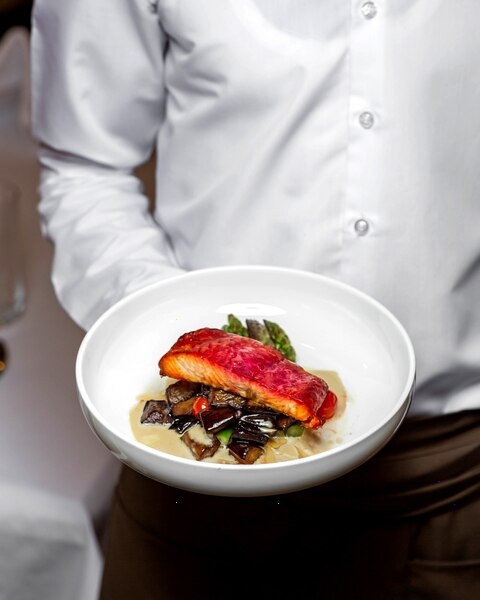
Collagen is unique among culinary ingredients:
- Texture first: Collagen‑rich dishes often have a silky, velvety mouthfeel as collagen breaks down into gelatin. That luxurious texture interacts with tannins, acidity, and alcohol differently than lean proteins.
- Delicate base flavors: Collagen itself is mild. It takes on the character of the broth, aromatics, and seasonings, so wine should complement the broth style as much as the protein.
- Long, slow cooking: Many collagen dishes are braised or simmered. Slow cooking concentrates flavors and adds umami, which calls for wines with enough structure and complexity to keep up.
Think less in terms of “meat + wine” and more in terms of broth style, richness level, and aromatics.
The All New Signature Collagen Recipe
The newest recipe at Chef Signature Collagen Cooking LLC is built around three pillars:
- A deeply infused collagen broth base
Long‑simmered bones and collagen‑rich cuts yield a clear yet intensely flavored broth, finished with a gentle reduction to enhance umami while maintaining a clean profile.
- Layered aromatics and herbs
Ginger, garlic, and scallions form the aromatic core. Fresh herbs like cilantro and Thai basil add bright, green notes, balanced with a touch of citrus and a hint of chili warmth.
- Light, nourishing garnish elements
Tender seasonal vegetables, silky noodles or grains, and a lean protein—such as poached chicken or delicate seafood—float in the broth, turning it into a complete, balanced dish.
The result is a bowl that feels both comforting and refined: rich in mouthfeel, yet light on the palate, with a clean finish and complex aromatics.
From a wine‑pairing perspective, this dish offers:
- Moderate richness from collagen
- High umami
- Fresh acidity from citrus
- Fragrant herbal and ginger notes
- Mild heat from chili
This profile points us away from heavy, tannic reds and toward aromatic whites, rosés, and light, supple reds.
Core Principles for Pairing Wine with Collagen Cuisine
Before choosing specific bottles, it helps to understand a few pairing rules especially relevant to collagen dishes.
1. Respect the Texture
Silky, gelatin‑rich broths have a luxurious mouthfeel. Wines should either:
- Echo that plushness with a round, creamy texture (think barrel‑aged whites, lees‑aged sparkling), or
- Provide a cleansing contrast with crisp acidity and fine bubbles.
Overly tannic reds can feel harsh against collagen’s smoothness, leaving the palate dry and clashing with the dish’s softness.
2. Match Aromatics to Aromatics
Collagen itself is mild, so what really matters is the flavor frame:
- Ginger, lemongrass, and herbs love aromatic whites (Riesling, Grüner Veltliner, Sauvignon Blanc).
- Earthy, mushroomy collagen stews pair well with earth‑driven reds (Pinot Noir, Nebbiolo) or savory whites (Chenin Blanc).
- Spiced, soy‑based, or miso‑inflected dishes invite umami‑friendly wines (off‑dry Riesling, aged Champagne, or even certain styles of Sherry).
3. Use Acidity to Refresh, Not Dominate
Collagen’s richness can coat the palate. Adequate acid in wine:
- Cuts through the gelatinous mouthfeel
- Keeps each bite feeling “reset”
- Prevents the dish from feeling heavy
But going too far toward searing acidity (especially in ultra‑lean, high‑acid whites) can overwhelm the subtle broth flavors. Aim for balanced, food‑friendly acidity, not razor sharpness.
4. Calibrate Sweetness with Heat and Umami
Many collagen dishes feature:
- Umami from long‑cooked bones, soy, miso, mushrooms, or seaweed
- Gentle chili heat or warming spices
A touch of residual sugar in wine can be transformative:
- Softens perceived heat
- Enriches the perception of broth sweetness
- Rounds bitter edges from greens or herbs
Off‑dry styles (e.g., Kabinett Riesling, off‑dry Vouvray) can be outstanding with collagen‑based cuisine.
Perfect Pairings for the New Signature Collagen Dish
For the new aromatic collagen broth with ginger, herbs, and a delicate protein, three main pairing paths stand out.
1. Aromatic Whites with Gentle Sweetness
Why it works: They mirror the dish’s fragrance and buffer the spice and umami.
- Riesling (Kabinett or off‑dry)
- Regions: Mosel (Germany), Clare/Eden Valley (Australia), Finger Lakes (USA)
- Tasting profile: Lime, green apple, white peach, floral notes, vibrant acid, touch of sweetness
- Effect with the dish:
- Acid lifts the broth’s richness
- Mild sweetness harmonizes with collagen’s natural sweetness and chili warmth
- Citrus and stone fruit echo the lime and herbal notes
- Grüner Veltliner (lighter styles)
- Regions: Wachau, Kamptal, Kremstal (Austria)
- Tasting profile: Green pear, white pepper, herbs, bright acidity
- Effect with the dish:
- White pepper character complements ginger and scallion
- Herbal tones align with cilantro and basil
- Crispness cleanses between silky spoonfuls
2. Fresh, Mineral‑Driven Sauvignon Blanc
Why it works: Sharp definition and green aromatics to frame the broth.
- Sancerre or Pouilly‑Fumé (Loire Valley, France)
- Tasting profile: Citrus, gooseberry, flint, subtle herbs, linear acidity
- Effect with the dish:
- Highlights the freshness of herbs and vegetables
- Mineral edge matches a clear, clean broth style
- Keeps the pairing light, elegant, and focused
For those who prefer New World expression:
- Cool‑climate Sauvignon Blanc (e.g., coastal Chile, New Zealand’s Marlborough in its more restrained bottlings) can also work, provided the style isn’t overwhelmingly tropical or aggressively grassy.
3. Dry Rosé for Versatility
Why it works: Rosé bridges the gap between white’s freshness and red’s structure.
- Provençal‑style rosé
- Regions: Provence (France), high‑quality imitations from California, Spain, and Greece
- Tasting profile: Red berries, citrus zest, sometimes a hint of herb or saline, good acidity, low tannin
- Effect with the dish:
- Red fruit gives a playful contrast to savory broth
- Lightness and low tannin avoid clashing with collagen’s softness
- Particularly good if the dish includes shellfish or a bit more chili heat
Pairing Variations for Different Collagen Dishes
Beyond the new signature recipe, Chef Signature Collagen Cooking LLC explores multiple regional and stylistic expressions of collagen cuisine. Each points to a specific wine direction.
1. Rich, Dark Collagen Stews and Braises
Think: beef tendon stew, oxtail braise, or long‑simmered shanks in a deep, reduced broth.
- Wine styles:
- Medium‑bodied, low‑to‑moderate tannin reds
- Good acidity, savory undertones
- Examples:
- Pinot Noir (Burgundy, Oregon, New Zealand)
- Red cherry, earth, mushroom; elegant, not overpowering
- Earthy notes harmonize with slow‑cooked meat and vegetables
- Barbera (Piedmont, Italy)
- High acidity, dark fruit, minimal tannin
- Cuts through richness without drying the palate
- Grenache‑based blends (Southern Rhône, some Spanish Garnacha)
- Warm spice and red fruit complement reduced sauces and herbs
2. Light, Clear Collagen Soups with Seafood
Think: clear fish‑collagen broths, shellfish with collagen‑enriched stock, minimal chili.
- Wine styles:
- Crisp, saline whites
- Light, mineral‑driven sparkling wines
- Examples:
- Albariño (Rías Baixas, Spain)
- Citrus, stone fruit, sea spray; pairs beautifully with shellfish
- Muscadet (Loire, France)
- Lean, mineral, subtly briny; ideal for simple, clear seafood broths
- Brut sparkling wine (Cava, Crémant, quality Prosecco)
- Bubbles refresh the palate from collagen’s softness
- Works particularly well as an opening pairing in a tasting menu
3. Spiced, Soy‑Inflected Collagen Dishes
Think: soy‑braised pork belly with collagen‑rich sauce, miso‑based broths, or dishes that lean into East Asian pantry staples.
- Wine styles:
- Off‑dry whites
- Some oxidative or aged wines that play well with umami
- Examples:
- Off‑dry Riesling or Chenin Blanc
- Handles sweetness, salt, and umami in soy or miso
- Aged Champagne or quality traditional‑method sparkling
- Nutty, toasty notes echo the savory complexity of the sauce
- Fino or Amontillado Sherry (for adventurous diners)
- Dry yet intensely savory; designed by nature for umami‑rich foods
Serving Considerations: Getting the Details Right
A well‑chosen wine can still miss the mark if it’s served in the wrong way. Collagen cuisine has some special sensitivities.
Temperature
- Aromatic whites & rosés:
Serve lightly chilled, around 8–11°C (46–52°F). Too cold mutes aromatics; too warm accentuates alcohol and makes the broth feel heavier. - Light reds (Pinot, Gamay):
Slight chill at 14–16°C (57–61°F) keeps them fresh and food‑friendly. - Sparkling wines:
6–9°C (43–48°F) to keep bubbles fine and refreshing against a warm broth.
Glassware
- Use medium‑sized white wine glasses for most aromatic whites and rosés; they allow herbs, citrus, and ginger notes in the wine to unfold without losing definition.
- For lighter reds, Burgundy‑style bowls enhance delicate aromatics, echoing the layered nuances of slow‑cooked collagen dishes.
Pace
Collagen dishes are often served hot and sipped slowly. Encourage guests to:
- Alternate small sips of wine with smaller spoonfuls of broth
- Notice how the wine refreshes the palate or builds flavor from bite to bite
This is less about a single “perfect” sip and more about a rhythmic interplay over the course of the dish.
Integrating Wine into a Collagen‑Focused Tasting Menu
Chef Signature Collagen Cooking LLC is uniquely positioned to design entire experiences around collagen. A sample three‑course collagen‑and‑wine journey could look like this:
- Course 1: Clear, Herbal Collagen Broth (the new signature dish)
- Wine: Off‑dry Riesling or Grüner Veltliner
- Role: Introduce the texture of collagen with bright, aromatic lift.
- Course 2: Collagen‑Enriched Seafood Medley
- Wine: Crisp Albariño or non‑oak‑aged Chardonnay
- Role: Emphasize purity and briny freshness; highlight how collagen supports but doesn’t dominate.
- Course 3: Slow‑Braised Collagen‑Rich Meat Stew
- Wine: Pinot Noir or Barbera
- Role: Conclude with depth and warmth, showcasing the comforting side of collagen.
Optional finale:
- Course 4: Light, Collagen‑Enhanced Savory “Custard” or Chawanmushi‑Style Dish
- Wine: A demi‑sec sparkling or late‑harvest Riesling, sparingly poured
- Role: Subtle sweetness to close the experience, mirroring the dish’s gentle texture.
Conclusion: Collagen Cuisine as a Canvas for Wine
Collagen cooking brings a rare combination of:
- Silky textures
- Deep, slow‑built umami
- Subtle, layered aromatics
Wine pairings that shine with these dishes are typically aromatic, acid‑driven, and texturally sensitive, more about refreshment and resonance than power.
With the all new signature collagen recipe, Chef Signature Collagen Cooking LLC demonstrates how modern wellness‑oriented cuisine can align seamlessly with thoughtful wine service. Each bowl becomes not only nourishment, but also a canvas—inviting guests to discover how the right glass of wine can make collagen’s gentle richness feel even more vivid, memorable, and complete.