All New Recipe Included: Elevated American Classics with Collagen at Chef Signature Collagen Cooking LLC
All-New Recipe Included: Elevated American Classics with Collagen at Chef Signature Collagen Cooking LLC
In American home cooking, comfort has always come first: creamy casseroles, golden pot pies, juicy burgers, and spoon‑tender stews. Today, a new generation of cooks is asking a bigger question: can those nostalgic favorites also support stronger joints, healthier skin, and better recovery—without losing the flavors we love?
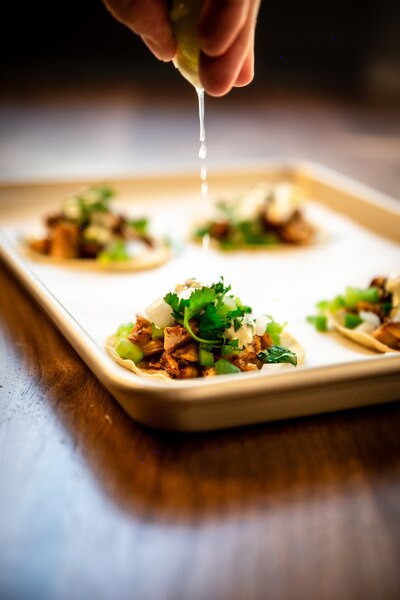
Chef Signature Collagen Cooking LLC steps directly into that space, reimagining traditional American dishes with one unexpected hero ingredient: collagen. By treating collagen as both a functional nutrition boost and a culinary tool, the company is creating elevated versions of classics that feel familiar on the plate yet modern in purpose.
Why Collagen Belongs in the American Kitchen
Collagen is the most abundant protein in the human body, supporting:
- Joint and tendon health
- Skin elasticity and hydration
- Hair and nail strength
- Gut lining integrity
For decades, Americans have consumed collagen in more traditional forms—bone broths, slow‑simmered roasts, and long‑cooked soups. What’s changing is the precision and versatility. High‑quality collagen peptides dissolve easily, don’t dominate taste when used correctly, and work in both savory and sweet recipes.
Chef Signature Collagen Cooking LLC builds on that foundation by:
- Selecting neutral‑flavor collagen blends that integrate seamlessly into recipes
- Pairing collagen with classic American flavor profiles
- Adjusting textures and cooking methods so that collagen supports, rather than disrupts, the dish
The result isn’t “health food disguised as dinner”; it’s real food that happens to deliver a more intentional nutritional payoff.
Elevating American Comfort Classics
Instead of inventing unfamiliar dishes, the company focuses on meals you already know and crave—then quietly enhances them. A few examples of how collagen transforms standard recipes:
1. Collagen-Rich Creamy Soups
Think New England–inspired chowders, roasted tomato soup, or velvety chicken and vegetable soup. Rather than relying solely on heavy cream and flour, part of the body and silkiness comes from collagen:
- Collagen peptides whisked into warm stock to create a more luxurious mouthfeel
- Reduced flour or roux, keeping the soup lighter but still comforting
- Classic aromatics—onion, celery, carrot, garlic—preserved exactly as you remember
2. Better-Balanced Burgers and Meatloaf
Ground meat dishes are an ideal canvas for collagen:
- Collagen mixed into the meat blend to boost protein and juiciness
- Traditional American seasonings—Worcestershire, mustard, smoked paprika, onion—kept intact
- Moist, tender texture that echoes old‑school diner burgers and Sunday meatloaf, without feeling heavy
3. Traditional Casseroles, Smarter Structure
Casseroles define American comfort cooking, but they often lean on condensed soups and excess dairy. By integrating collagen:
- Sauces can be thickened and enriched with less flour or processed soup
- Layers hold together better while staying creamy instead of gluey
- The dish feels like a familiar bake from childhood, just lighter and more refined
4. Classic Sweets with a Protein Edge
Desserts are where collagen quietly shines:
- Puddings, custards, and no‑bake pies gain extra body from dissolved collagen
- Fruit crisps and crumbles incorporate a bit of collagen into the topping without changing flavor
- Vanilla, chocolate, cinnamon, and nutmeg remain the stars; collagen simply adds function
The Culinary Philosophy at Chef Signature Collagen Cooking LLC
The company’s approach can be summarized in three principles:
- Flavor First, Function Second
Every dish begins with a clear flavor memory: the diner should recognize the dish as “chicken pot pie” or “chocolate pudding,” not “a collagen experiment.” Collagen is woven in only where it naturally fits.
- Minimal Interference with Tradition
Instead of stripping away what makes American comfort food enjoyable, the team refines it:- Trimming excess sugar, sodium, or ultra‑processed components
- Preserving seasoning profiles and textures that signal “home‑cooked”
- Precise Technique for a Seamless Result
Collagen behaves differently at different temperatures and in different mediums. Chef Signature Collagen Cooking LLC tests:- When to bloom or dissolve collagen (before boiling, after simmering, or off‑heat)
- How much to incorporate before texture changes
- Which recipes benefit most from added body, gloss, or protein contribution
This methodical testing ensures that each dish tastes like a perfected version of the original, not a compromise.
How Collagen Actually Works in Cooking
Understanding collagen’s role in the kitchen helps explain why it fits so well into American staples:
- Texture Builder: Dissolved collagen adds body and silkiness to sauces, gravies, soups, and fillings—ideal for classics like pot roast gravy or Thanksgiving pan sauces.
- Moisture Retainer: In burgers, meatloaf, and meatballs, collagen can help lock in juiciness, especially when using leaner meats.
- Stability Aid: Collagen can gently support the structure of custards, dips, or creamy bakes, reducing the need for heavy thickeners.
- Invisible Protein Boost: It increases protein content without altering the basic flavor of mashed potatoes, cornbread, pancakes, or even mac and cheese when used correctly.
All-New Recipe Included: Collagen-Enhanced Chicken Pot Pie
This elevated take on a beloved American classic uses collagen to create a rich, velvety filling while slightly reducing reliance on heavy cream and flour. It still delivers flaky crust, tender chicken, and a deeply savory gravy.
Serves
4–6
Ingredients
For the Filling
- 2 tbsp unsalted butter
- 1 tbsp olive oil
- 1 medium yellow onion, finely diced
- 2 medium carrots, diced
- 2 celery stalks, diced
- 2 cloves garlic, minced
- 1 ½ cups cooked chicken, shredded or cubed (rotisserie works well)
- 2 ½ cups low‑sodium chicken broth, divided
- 2 tbsp all‑purpose flour
- 3 tbsp unflavored collagen peptides
- ½ cup half‑and‑half or whole milk
- 1 cup frozen peas (no need to thaw)
- 1 tsp fresh thyme leaves (or ½ tsp dried)
- ½ tsp dried sage (optional but classic)
- Salt and freshly ground black pepper, to taste
For the Topping (Simple Puff or Biscuit-Style Finish)
Choose one of the following:
- Ready‑Made Puff Pastry Top
- 1 sheet frozen puff pastry, thawed according to package instructions
- 1 egg, beaten with 1 tbsp water (for egg wash)
OR
- Quick Drop Biscuit Topping
- 1 ½ cups all‑purpose flour
- 2 tsp baking powder
- ½ tsp salt
- 4 tbsp cold butter, cut into small cubes
- ¾ cup milk or buttermilk
(The instructions below assume a puff pastry top, with a short note for biscuit topping.)
Instructions
1. Prepare the Vegetable Base
- Preheat oven to 400°F (200°C).
- In a large skillet or saucepan, heat butter and olive oil over medium heat.
- Add onion, carrot, and celery. Cook 6–8 minutes, stirring occasionally, until vegetables soften and edges begin to turn golden.
- Add garlic and cook 30 seconds, just until fragrant.
2. Build the Roux and Collagen Base
- Sprinkle 2 tbsp flour over the vegetables. Stir to coat evenly and cook 1–2 minutes to remove the raw flour taste.
- Slowly pour in 2 cups of the chicken broth, whisking or stirring constantly to avoid lumps. Bring to a gentle simmer; the mixture should begin to thicken.
- In a small bowl, whisk the remaining ½ cup broth with the 3 tbsp collagen peptides until fully dissolved and smooth.
- Stir the collagen-broth mixture into the pan. Simmer 3–4 minutes, stirring occasionally, until the filling is rich and velvety.
3. Finish the Filling
- Stir in the half‑and‑half or milk, chicken, peas, thyme, and sage (if using).
- Bring back to a gentle simmer and cook 2–3 minutes.
- Taste and season generously with salt and black pepper. The filling should be well‑seasoned and slightly thick; it will thicken more as it bakes.
- Transfer the filling to a 9‑inch pie dish or an equivalent baking dish.
4. Add the Topping
For Puff Pastry:
- Roll the pastry sheet slightly if needed to fit the dish.
- Lay it over the filling, tucking in or trimming excess.
- Cut a few small slits in the center to allow steam to escape.
- Brush with egg wash for a glossy, golden finish.
For Biscuit Topping:
- In a bowl, whisk together flour, baking powder, and salt.
- Cut in cold butter with a pastry cutter or fingertips until the mixture resembles coarse crumbs.
- Stir in milk or buttermilk just until a soft dough forms.
- Drop spoonfuls of dough over the filling, leaving small gaps for steam.
5. Bake
- Place the dish on a baking sheet to catch any drips.
- Bake 20–25 minutes, or until the pastry is puffed and deeply golden (or biscuits are set and lightly browned) and the filling is bubbling at the edges.
- Let rest 10 minutes before serving so the filling can set slightly.
What Makes This Pie “Elevated”?
- Improved Texture: Collagen, combined with a modest amount of flour and dairy, produces a glossy, spoon‑coating gravy without heaviness.
- Higher Protein: The dish offers more protein per serving thanks to collagen, supporting satiety and recovery.
- Classic Flavor, Refined Build: The aroma and taste are pure American comfort—roasted chicken, sweet peas, herbs—yet the structure and mouthfeel are subtly more sophisticated.
Bringing Collagen into Everyday American Cooking
Chef Signature Collagen Cooking LLC’s work demonstrates that collagen doesn’t require a radical shift in how you cook. Instead, it rewards small, consistent changes:
- Stir collagen into soups, chilis, and stews during the final simmer
- Add a scoop to mashed potatoes or cauliflower puree
- Whisk it into gravy or pan sauces for roasts
- Integrate it into batters for pancakes or waffles, then top with traditional butter and maple syrup
Each of these moves keeps the spirit of American comfort cuisine intact while giving each meal a bit more purpose.
The Future of American Classics
As interest grows in foods that “do more” than satisfy immediate hunger, Chef Signature Collagen Cooking LLC is carving out a distinctive niche:
- Recipes that honor heritage and memory while leveraging modern nutrition
- Menus that look like what you grew up with, but function like what your body needs now
- Collagen‑enhanced dishes that you’d proudly serve at a Sunday family table or casual gathering with friends
By treating collagen as an ingredient worthy of culinary respect—not just a supplement—the company is helping define what the next era of American comfort food will look like: familiar, flavorful, and thoughtfully upgraded from the inside out.