All New Recipe Included: A Chef’s Guide to Collagen Cuisine at Chef Signature Collagen Cooking LLC
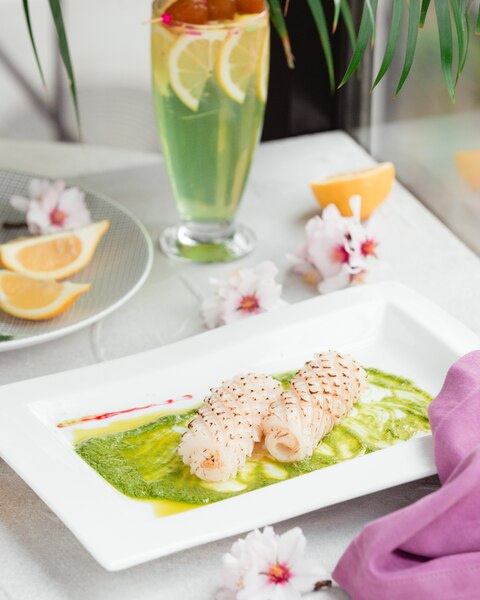
All new collagen-forward recipes are reshaping how modern chefs think about flavor, texture, and wellness. At Chef Signature Collagen Cooking LLC, collagen is not an “add-in”; it is a core design element of the menu. This guide explores how to cook with collagen professionally—how to choose it, hydrate it, flavor it, and showcase it in dishes that look and taste like restaurant-caliber cuisine, not nutritional experiments.
1. Understanding Collagen in the Professional Kitchen
Collagen is a structural protein found in animal connective tissue (skin, bones, cartilage, tendons). In the kitchen, we typically work with it in two major forms:
- Gelatin (cooked collagen)
- Derived from collagen that has been heat-treated and partially broken down.
- Blooming and hydrating create smooth gels or elastic textures.
- Ideal for jellies, mousses, terrines, panna cottas, and glazes.
- Hydrolyzed Collagen (collagen peptides)
- Further broken down into smaller peptides.
- Dissolves instantly in hot or cold liquids and does not gel.
- Perfect for drinks, sauces, batters, smoothies, and baked goods where you want nutritional benefit without textural change.
At Chef Signature Collagen Cooking LLC, the key principle is:
“Use gelatin for structure. Use peptides for stealth nutrition.”
2. Choosing and Handling Culinary Collagen
2.1 Types to Stock in a Professional Pantry
- Unflavored bovine or marine collagen peptides
- Versatile, neutral, ideal for both sweet and savory applications.
- Gelatin powder or sheets
- For precise textural work in desserts, aspics, and glazes.
- Bone broths and collagen-rich stocks (house-made)
- Extracted from joints, knuckles, feet, and carcasses.
- Provide body and a naturally glossy mouthfeel.
2.2 Hydration and Dissolving Guidelines
- Gelatin powder:
- Bloom in 4–5 times its weight in cold water for 5–10 minutes.
- Then gently warm until fully melted—never boil, or the texture weakens.
- Gelatin sheets:
- Soak in ice water until soft, squeeze, then melt into a warm base.
- Collagen peptides:
- Whisk directly into hot or cold liquids.
- For cold beverages, blend or shake to avoid clumping.
Professional shortcut:
Always scale collagen by weight, not volume, for consistency across batches.
3. Culinary Design Principles for Collagen Cuisine
3.1 Balancing Flavor, Texture, and Nutrition
Chef Signature Collagen Cooking LLC follows three piloting rules for recipe development:
- Flavor first
No dish makes it onto the menu unless it would stand on its own without collagen. The protein should be invisible to the palate.
- Texture as a signature
Collagen offers lush, silky, or bouncy textures that guests instinctively recognize as “restaurant quality”:- Velvety sauces and soups
- Glossy reductions
- Light yet stable custards and creams
- Nutrition as added value
Collagen peptides increase protein content with minimal impact on macros or flavor. Each serving is designed to deliver a meaningful dose (often 8–15 g) without compromising eatability.
3.2 Where Collagen Shines Best
- Soups, broths, and consommés
- Braises and low-and-slow preparations
- Creamy desserts (panna cotta, mousse, no-bake cheesecakes)
- Smoothies, lattes, and wellness drinks
- Protein-enhanced breads, pancakes, and snack bars
4. All-New Collagen Recipes: Signature Creations
Below are newly formulated recipes styled in line with Chef Signature Collagen Cooking LLC’s approach—built for clarity, repeatability, and professional-level results.
Recipe 1: Savory Collagen-Rich Roasted Garlic Bone Broth
Concept: A deeply flavored sipping broth or base stock with natural collagen from bones plus an added peptide boost.
Serves: 6–8
Time: 8–10 hours (mostly unattended)
Ingredients:
- 2 kg beef or chicken bones (including joint, knuckle, or feet bones)
- 2 medium onions, halved
- 2 carrots, roughly chopped
- 2 celery stalks, roughly chopped
- 1 head garlic, halved crosswise
- 2 tbsp tomato paste (optional, for depth)
- 2 tbsp apple cider vinegar
- 3–4 L cold water (enough to cover)
- 2 bay leaves
- 10 black peppercorns
- 10–20 g unflavored collagen peptides (optional, for extra protein)
- Sea salt to taste
Method:
- Roast the bones and vegetables
- Preheat oven to 220°C (425°F).
- Arrange bones, onions, carrots, celery, and garlic on a tray.
- Roast 30–40 minutes until well browned.
- Deglaze and transfer
- Transfer everything to a large stockpot.
- Deglaze the roasting pan with a splash of hot water, scraping up browned bits, and add to the pot.
- Build the stock
- Add tomato paste, vinegar, bay leaves, peppercorns, and enough cold water to cover.
- Bring just to a boil, then reduce to a bare simmer.
- Simmer low and slow
- Skim any foam in the first 30 minutes.
- Simmer uncovered or partially covered for 8–10 hours; top up with water as needed.
- Strain and clarify
- Strain through a fine sieve or cheesecloth.
- Chill; skim any solidified fat from the surface.
- Enrich with peptides
- Reheat a portion to serve.
- Whisk in collagen peptides (about 5 g per 250 ml cup) until dissolved.
- Season with salt only at the end.
Service ideas:
- Serve as a sipping broth with a few drops of sesame oil and sliced scallion.
- Use as a base for ramen, risotto, or braised vegetables.
Recipe 2: Collagen-Infused Lemon Herb Chicken Velouté
Concept: A classic French-style sauce upgraded with collagen for extra silkiness and protein.
Serves: 4
Time: 30–40 minutes
Ingredients:
- 30 g unsalted butter
- 30 g flour
- 500 ml chicken stock (preferably collagen-rich, from Recipe 1)
- 10 g unflavored collagen peptides
- 60 ml dry white wine (optional)
- Zest of 1 lemon
- 2 tbsp lemon juice (or to taste)
- 1 tbsp finely chopped fresh tarragon or parsley
- 60 ml heavy cream (optional for extra richness)
- Salt and white pepper to taste
Method:
- Make a blond roux
- Melt butter over medium heat.
- Add flour and cook 2–3 minutes, stirring, until pale golden and nutty.
- Add stock and wine
- Gradually whisk in warm chicken stock and wine.
- Simmer 10–12 minutes until lightly thickened.
- Incorporate collagen
- Remove from heat briefly.
- Whisk in collagen peptides until dissolved.
- Return to low heat; do not boil vigorously.
- Finish the sauce
- Stir in cream (if using), lemon zest, and half of the lemon juice.
- Add herbs.
- Season with salt and white pepper; adjust acidity with more lemon juice as needed.
Serving suggestions:
- Spoon over roasted chicken breast, poached fish, or steamed vegetables.
- Use as a luxurious base for a chicken pot pie filling.
Recipe 3: All-New Vanilla Bean Collagen Panna Cotta
Concept: A light, softly set dessert that uses gelatin for structure and peptides for additional protein without heaviness.
Serves: 6
Time: 20 minutes active + 4 hours chilling
Ingredients:
- 400 ml heavy cream
- 200 ml whole milk
- 60 g sugar
- 1 vanilla bean (or 2 tsp vanilla extract)
- 8 g powdered gelatin
- 40 ml cold water (for blooming gelatin)
- 10–15 g unflavored collagen peptides
- Pinch of fine sea salt
Method:
- Bloom the gelatin
- Sprinkle gelatin over cold water.
- Let stand 5–10 minutes until fully absorbed.
- Heat the base
- In a saucepan, combine cream, milk, sugar, and salt.
- Split the vanilla bean, scrape seeds into the pan, and add pod.
- Gently heat to just below a simmer; do not boil.
- Dissolve the collagen and gelatin
- Remove from heat, discard vanilla pod.
- Whisk in collagen peptides until dissolved.
- Add bloomed gelatin and whisk until fully melted.
- Strain and portion
- Strain through a fine sieve to remove any undissolved bits.
- Portion into 6 ramekins or glasses.
- Chill
- Cool to room temperature, then refrigerate at least 4 hours.
Service ideas:
- Top with a berry compote, citrus segments, or a coffee caramel.
- For a lighter menu, serve in small tasting portions as a “sweet protein finish.”
Recipe 4: Collagen Breakfast Power Pancakes
Concept: Soft, fluffy pancakes with added collagen peptides to increase protein while maintaining classic texture.
Serves: 2–3 (8–10 pancakes)
Time: 20 minutes
Ingredients:
- 120 g all-purpose flour
- 20 g unflavored collagen peptides
- 10 g sugar
- 8 g baking powder
- 1 g fine salt
- 1 large egg
- 240 ml milk (dairy or fortified plant milk)
- 30 g melted butter or neutral oil
- 1 tsp vanilla extract
Method:
- Mix dry ingredients
- In a bowl, whisk flour, collagen peptides, sugar, baking powder, and salt.
- Mix wet ingredients
- In another bowl, whisk egg, milk, melted butter, and vanilla.
- Combine
- Pour wet into dry and mix gently until just combined; small lumps are fine.
- Rest batter 5 minutes.
- Cook
- Heat a lightly oiled skillet over medium.
- Spoon batter to form pancakes; cook until bubbles form and edges are set, then flip and cook until golden.
Service ideas:
- Top with Greek yogurt and fruit compote for an extra protein layer.
- Offer a “collagen brunch option” on a café-style menu.
Recipe 5: Iced Matcha Collagen Latte
Concept: A refreshingly modern beverage delivering sustained energy and collagen in a barista-friendly format.
Serves: 1
Time: 5 minutes
Ingredients:
- 2 tsp ceremonial or high-quality culinary matcha
- 30–60 ml hot water (not boiling, about 80°C / 175°F)
- 8–10 g unflavored collagen peptides
- 150–200 ml cold milk (dairy or oat/almond)
- Ice cubes
- Sweetener to taste (simple syrup, honey, or agave)
Method:
- Whisk the matcha
- In a small bowl, whisk matcha with hot water until smooth and frothy.
- Add collagen
- Whisk collagen peptides into the warm matcha until fully dissolved.
- Assemble the drink
- Fill a glass with ice.
- Pour in cold milk and sweetener.
- Top with the collagen matcha concentrate; stir gently.
Service ideas:
- Offer multiple flavors: vanilla, salted caramel, or coconut.
- Use as a base template for other collagen “wellness lattes” (chai, turmeric, cacao).
5. Professional Tips for Scaling Collagen Recipes
- Standardize your collagen dose per portion
Decide on a target (e.g., 10 g per serving) and design recipes backward from that number.
- Account for texture in hot vs. cold applications
- Hydrolyzed collagen behaves the same in hot and cold.
- Gelatin is sensitive to temperature; serve chilled or at controlled warmth.
- Manage clarity and mouthfeel
Too much collagen in clear drinks can cause faint cloudiness; in rich sauces and soups this is beneficial, but in clarified cocktails or consommés, precision is required.
- Labeling and communication
On menus, emphasize:- “Collagen-enriched” or “collagen-infused”
- Source (bovine, marine) if relevant to your guests
- Any dietary info (gluten-free, low-sugar, etc.)
6. Building a Collagen-Focused Menu Concept
At Chef Signature Collagen Cooking LLC, a collagen cuisine program might include:
- House Sipping Broths – rotating flavors (mushroom-beef, ginger-chicken, miso-marine collagen).
- Collagen Comfort Classics – dishes like braised short ribs, velouté-based casseroles, and rich yet balanced soups.
- Protein-Forward Breakfasts – pancakes, waffles, oatmeal, and smoothies fortified with collagen peptides.
- Refined Desserts – panna cotta, mousses, and no-bake cheesecakes with subtle collagen elevation.
- Signature Beverages – iced lattes, wellness tonics, sparkling collagen spritzers.
Each dish is designed to taste indulgent while delivering functional benefits that guests can understand and appreciate.
Collagen cuisine is not a fad; it is a structured culinary language that blends classical technique with modern nutrition. By mastering the interplay of gelatin and peptides, leveraging long-simmered stocks, and thoughtfully integrating collagen into sauces, desserts, and beverages, any chef can build a collagen-forward program that feels both luxurious and purposeful—exactly the vision behind Chef Signature Collagen Cooking LLC.